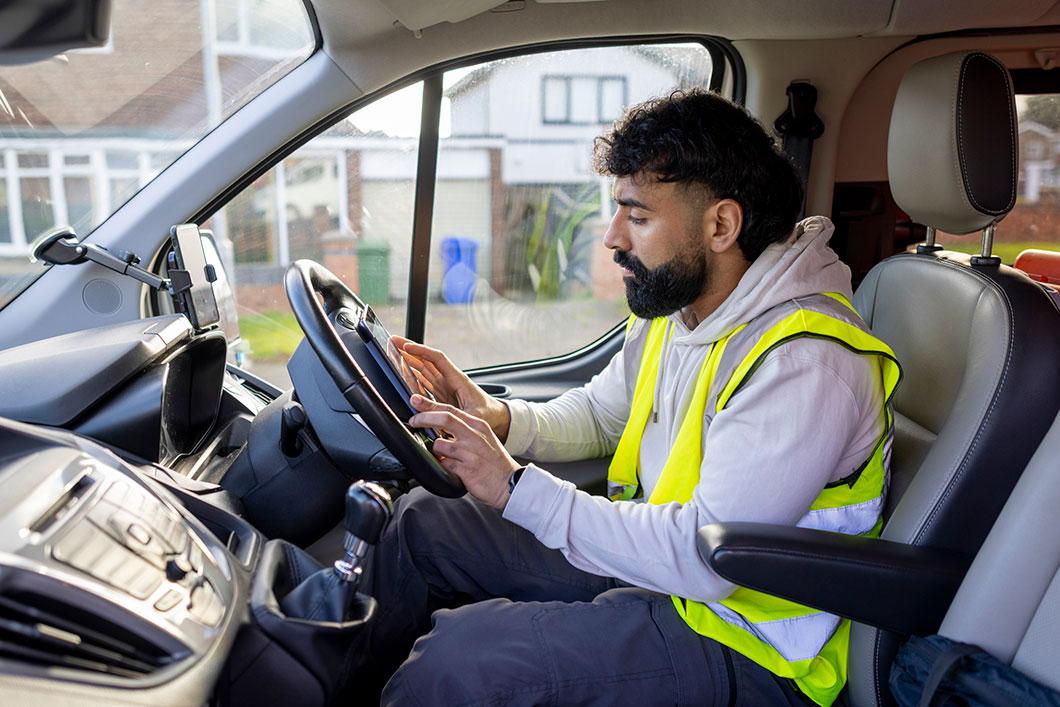
The way we work has changed dramatically over the last few years. Hybrid working, field-based roles, remote service delivery and flexible operating models have created new opportunities for businesses, but they have also introduced new safety challenges. One of the most significant of these is the increase in the scope and scale of lone working. Organisations across the UK are increasingly relying on people who work without close or direct supervision. But are they doing enough to keep those lone workers safe?
What is a lone worker?
The Health and Safety Executive (HSE) defines lone workers as people who work by themselves without close or direct supervision. This is more common than might be first thought: examples include:
- Home care assistants visiting clients
- District nurses providing medical treatment
- Social workers conducting home assessments
- Utility engineers fixing remote power lines
- Lift technicians working in enclosed shafts
- Cleaners working alone at night
- Petrol station cashiers on night shifts
- Shop workers opening or closing premises
- Warehouse staff picking stock in aisles
- Logistics and Transport Workers
- HGV drivers on long-distance routes
- Delivery couriers dropping off packages
- Agricultural workers operating machinery in fields
- Property and Sales Professionals
- Estate agents conducting property viewings alone
- Land surveyors mapping remote terrain
- Night watchmen patrolling vacant buildings
In addition, employees working from home for whatever reason would also be included in the definition of lone working.
What lone working is not
Importantly, lone working does not necessarily mean someone is physically isolated. A home-based employee or a field service technician may be connected digitally to colleagues throughout the day, but they are still considered lone workers if they operate without direct supervision.
What does the law say?
Many employers assume lone working is governed by a specific piece of legislation. In reality, there is no standalone “Lone Working Act”. Instead, employers must meet their obligations under broader health and safety legislation.
The Health and Safety at Work etc. Act 1974 is the primary piece of occupational health and safety legislation and places general duties on employers to protect the health, safety and welfare of their employees.
In addition, the Management of Health and Safety at Work Regulations 1999 require employers to assess workplace risks and put suitable arrangements in place to manage them. Risk assessments must consider the specific hazards faced by lone workers and identify appropriate control measures.
The HSE is clear that employers must manage health and safety risks before people can work alone. This applies not only to employees but also to contractors and self-employed individuals carrying out work on behalf of an organisation.
An organisation that does not adequately protect lone workers can become exposed to enforcement action, reputational damage and, most importantly, preventable harm to employees.
Why lone worker safety is more important than ever
The growth of hybrid and remote working means lone working is no longer confined to traditional sectors such as utilities, facilities management or social care.
Today, employees may spend significant amounts of time working from home, travelling independently between meetings or visiting customer premises without managerial oversight. While these working arrangements offer flexibility and efficiency, they can also increase vulnerability.
Lone workers face many of the same workplace hazards as other employees, but the consequences can be more severe because help may not be immediately available when something goes wrong. The HSE identifies increased risks arising from accidents, illness, work-related violence and road travel.
In customer-facing roles, employees may also encounter aggressive behaviour, threats or violence. Workers conducting home visits, inspections or enforcement activities can be particularly exposed to these risks because they often operate in unfamiliar environments.
Mental health and wellbeing
Physical safety is only part of the picture.
Lone working can also affect mental health, especially when employees experience prolonged periods of isolation, limited social interaction or reduced managerial support. While home and hybrid working have many benefits, they can sometimes leave employees feeling disconnected from their teams and organisational culture.
The HSE highlights stress and other health factors as important considerations when managing lone-working arrangements. Employers should ensure that regular communication, supervision and wellbeing support remain available, regardless of where employees are based.
Creating a culture where employees feel comfortable raising concerns is just as important as implementing physical safety controls.
Five questions to ask
If your organisation has lone workers, ask yourself these questions:
1. Have you conducted a specific lone worker risk assessment?
A generic workplace risk assessment may not adequately address the unique challenges faced by lone workers. Assessments should evaluate factors such as location, task complexity, environmental hazards, personal safety risks and emergency response arrangements.
2. Are your employees properly trained?
Lone workers should understand the risks associated with their roles and know how to respond in emergency situations. Training may include personal safety awareness, conflict management, accident reporting procedures and emergency communication protocols.
3. Do you have effective communication systems?
One of the most important safeguards is ensuring employees can maintain contact with the organisation. Regular check-ins, escalation procedures and emergency response processes can help ensure assistance is available when needed. The HSE states employers must make sure employees can receive immediate help if they are injured or become ill while working alone.
4. Are your managers maintaining regular contact?
Good lone worker management extends beyond technology. Regular supervision, welfare conversations and performance discussions help managers identify emerging risks and provide support before issues escalate.
5. Are your arrangements still fit for purpose?
Working patterns, locations and operational demands evolve over time. Risk assessments, communication procedures and safety measures should be reviewed regularly to ensure they remain effective.
Technology is not a complete solution
Many organisations are investing in lone worker safety technology, including smartphone apps, GPS-enabled devices, automated welfare checks and emergency alert systems.
These tools can provide valuable reassurance and improve response times during incidents. However, technology should support a wider safety strategy rather than replace it.
Robust policies, effective training, strong management practices and a positive reporting culture remain essential foundations of lone worker protection. Technology is most effective when it is integrated into a broader risk management framework.