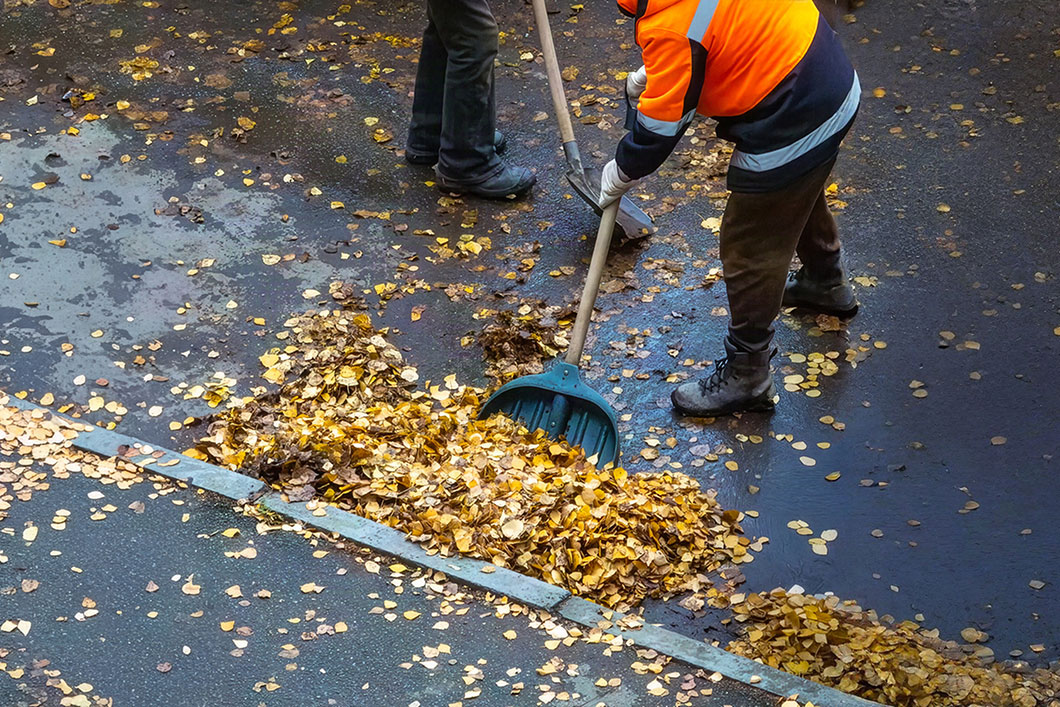
Autumn is upon us and with it comes a predictable – but often underestimated – increase in workplace safety risks. Wet weather, fallen leaves, reduced daylight hours and changing temperatures all mean that there is a higher likelihood of slips, trips and falls – which are among the most common causes of workplace injury.
If you take preventative action now, before the wetter autumn weather arrives, you can significantly reduce accidents, minimise disruption and help your organisation meet its legal responsibilities.
Where do the workplace hazards come from?
There are several environmental factors that can turn a safe workplace into a hazard hotspot. Rainwater that is walked in from outside can create slippery entranceways, corridors and communal areas. Wet leaves do not just gather under trees; they can also be blown around by stronger autumn winds and accumulate on paths, car parks and external walkways. They can often conceal uneven surfaces, potholes and other trip hazards.
With the shorter daylight hours, employees will be arriving or leaving the premises in the dark, reducing visibility even further and increasing the risk that they will not notice a trip hazard that would have been clear during the summer. Colder weather and overnight frosts can also leave paths, steps and car parks icy, creating slip hazards that may not be immediately visible.
Virtually every sector is affected, from offices and warehouses to manufacturing facilities, retail premises and healthcare environments. High pedestrian traffic can turn a seemingly minor hazard into a legal minefield – potentially involving serious injury, prolonged absence, compensation claims and the attention of the Health and Safety Executive.
What are your legal duties?
Key legislation relevant to virtually all employers includes:
- Health and Safety at Work etc. Act 1974 (HSWA), which places a general duty on employers to ensure, so far as is reasonably practicable, the health, safety and welfare of employees and others.
- Management of Health and Safety at Work Regulations 1999, which require employers to assess workplace risks and implement suitable control measures.
- Workplace (Health, Safety and Welfare) Regulations 1992, particularly Regulation 12, which requires floors and traffic routes to be suitable, in good condition and free from obstructions or substances that could cause people to slip, trip or fall.
The Health and Safety Executive expects organisations to identify slip and trip hazards, assess the risks and take reasonably practicable steps to prevent accidents. “Reasonably practicable” means balancing the level of risk against the measures needed to control the real risk in terms of money, time or trouble.
Seasonal risk assessments
Now is a very good time to look again at your workplace risk assessments. While you may have general slip and trip controls in place, seasonal changes can introduce new hazards that may not have been present during the summer. Inspect both indoor and outdoor areas, paying particular attention to:
- Entrances and exits
- Car parks and pedestrian walkways
- External staircases and ramps
- Loading bays
- Storage areas
- Reception spaces and communal areas
- Locations where water, mud or leaves may accumulate
Risk assessments should consider who may be exposed to hazards, the likelihood of an incident occurring and the effectiveness of existing controls.
Prioritise good housekeeping
Many slip and trip incidents can be prevented through effective housekeeping practices. Review cleaning schedules and maintenance procedures. Wet floors should be identified and addressed promptly, particularly during periods of heavy rainfall. Regular inspections can help ensure that spillages, debris and clutter do not create unnecessary risks.
Employers should also:
- Keep walkways clear of boxes, equipment and cables.
- Organise storage areas so they do not overflow into pedestrian routes.
- Remove waste promptly.
- Repair damaged flooring quickly.
A programme of simple housekeeping measures remains one of the most effective ways to reduce workplace accidents.
Manage external hazards before they escalate
External areas will become significantly more hazardous during autumn. Now is the time to:
- Inspect pavements and paths for cracks, potholes and uneven surfaces.
- Check drainage systems to prevent standing water.
- Ensure handrails are secure and well maintained.
- Prepare winter gritting arrangements before temperatures begin to fall.
If you can address these issues early, you can stay ahead of the game when it comes to the gradual increase in risk as conditions worsen through late autumn and into winter.
Improve entrance safety
Building entrances are often the first point at which autumn weather affects workplace safety. Have a look at what goes on in the entrance areas of your premises and think about:
- High-quality absorbent entrance matting.
- Non-slip flooring surfaces.
- Regular monitoring and cleaning during wet weather.
- Clearly visible warning signs when floors are wet.
- Adequate umbrella storage areas where appropriate.
These measures reduce the amount of moisture transferred further into the workplace and help maintain safer walking conditions.
Check lighting and visibility
You might not think we are that far into autumn but glance outside your window at 7pm and you will realise just how dark it is already getting. Sooner than you think, employees will be leaving the premises (and maybe even arriving) in the dark. Is your external lighting fit for purpose?
As we have mentioned earlier, poor lighting can make it more difficult for employees to identify hazards such as uneven surfaces, steps, changes in floor level and obstructions. HSE guidance highlights the importance of adequate lighting in preventing slips, trips and falls.
Use this opportunity to inspect:
- External lighting along walkways and car parks.
- Stairwell lighting.
- Emergency lighting systems.
- Motion-activated lighting where appropriate.
Replacing failed bulbs and addressing poorly lit areas can make a significant difference to accident prevention.
Do not forget footwear
Footwear plays a critical role in slip prevention. Where employees work in environments exposed to water, mud or other contaminants, employers should review whether footwear remains suitable for seasonal conditions. In some workplaces, slip-resistant footwear may be an important control measure.
Employees should also be reminded of their responsibility to wear appropriate footwear and report damaged soles or other footwear issues that could increase risk.
Reinforce staff awareness
Even the best control measures are less effective if employees remain unaware of seasonal risks, so now is the time to kick off a brief safety campaign so that staff can be reminded to:
- Report hazards immediately.
- Clean up spillages promptly where appropriate.
- Take extra care in wet conditions.
- Use designated walkways.
- Wear suitable footwear.
- Follow reporting procedures for accidents and near misses.
Regular communication keeps seasonal risks uppermost in people’s minds and encourages participation in a proactive safety culture.